






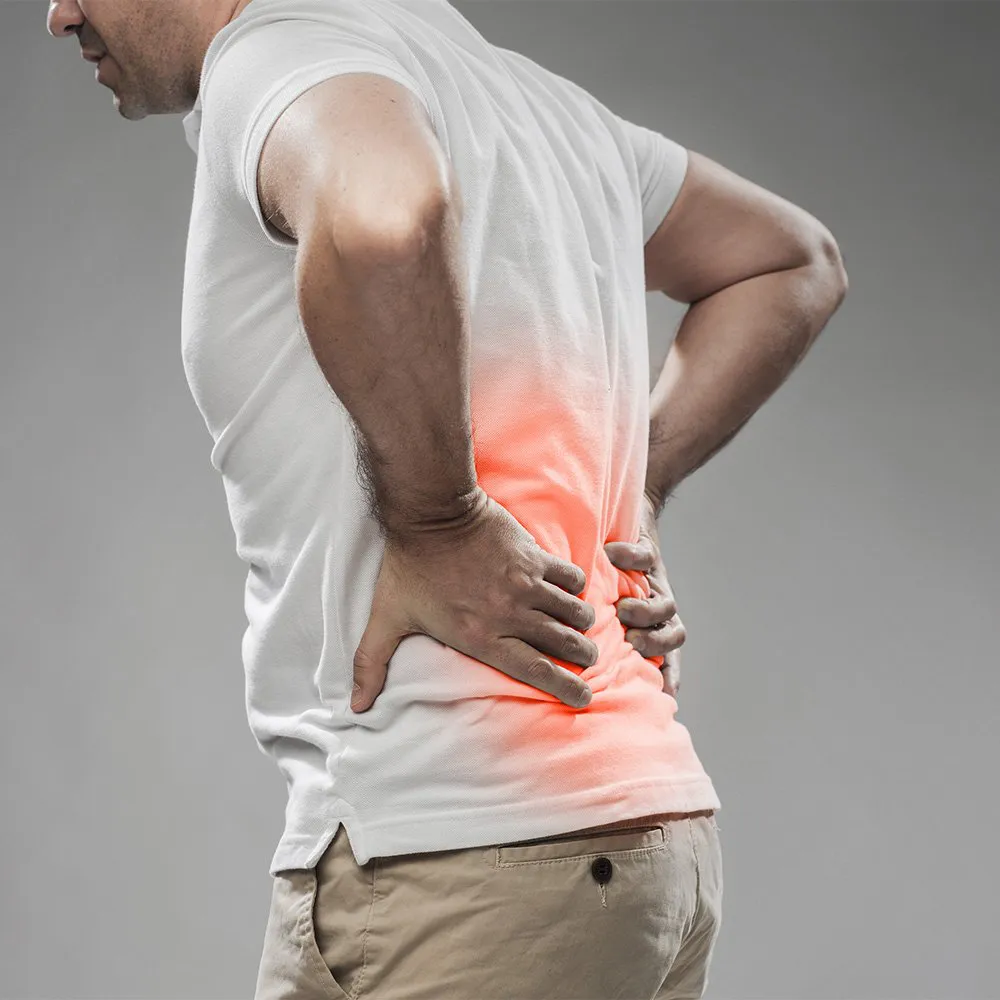
Sciatica is a common neurological condition caused by irritation or compression of the sciatic nerve, the largest nerve in the human body. It typically causes pain that starts in the lower back or buttock and travels down the back of the thigh, extending into the leg and foot. Depending on the severity of nerve compression, patients may also experience numbness, tingling, burning sensations, or muscle weakness.
Sciatica is not a disease itself but a symptom of an underlying condition affecting the lower spine or the sciatic nerve. Early diagnosis is essential to identify the cause, relieve pain, and prevent long-term nerve damage.
Dr. (Prof.) Kunal Bahrani, a leading neurologist in Faridabad, provides comprehensive evaluation and evidence-based treatment for sciatica and other nerve-related disorders. His patient-centered approach focuses on accurate diagnosis, effective pain relief, and restoring normal mobility and function.
What is Sciatica?
The sciatic nerve is formed by nerve roots emerging from the lower lumbar and sacral spine. It travels through the buttocks and down the back of each leg, supplying sensation and muscle function to much of the lower limb.
Sciatica occurs when one or more of these nerve roots become compressed, inflamed, or irritated. As a result, pain radiates along the course of the sciatic nerve rather than remaining confined to the lower back.
Symptoms usually affect one side of the body, although bilateral sciatica can occur in certain spinal conditions.
Symptoms of Sciatica
The severity of symptoms varies depending on the degree of nerve compression.
Common symptoms include:
- Pain radiating from the lower back into the buttock and leg
- Sharp, shooting, or burning pain
- Tingling or “pins and needles” sensation
- Numbness in the leg or foot
- Muscle weakness in the lower limb
- Pain that worsens while sitting for long periods
- Difficulty standing after prolonged sitting
- Pain aggravated by coughing or sneezing
- Difficulty walking due to leg pain
In severe cases, patients may notice progressive weakness or loss of bladder or bowel control, which requires immediate emergency medical attention.
Common Causes of Sciatica
Several spinal and nerve-related conditions can lead to sciatic nerve compression.
Herniated Lumbar Disc
A slipped or herniated disc is the most common cause of sciatica. The displaced disc material compresses nearby nerve roots, causing inflammation and radiating leg pain.
Lumbar Spinal Stenosis
Narrowing of the spinal canal can place pressure on the spinal nerves, particularly in older adults, resulting in pain, numbness, and difficulty walking.
Degenerative Disc Disease
Age-related degeneration of the spinal discs may reduce disc height and contribute to nerve irritation or compression.
Spondylolisthesis
When one vertebra slips forward over another, the spinal nerves may become compressed, producing symptoms of sciatica.
Piriformis Syndrome
In some individuals, the piriformis muscle in the buttock can irritate or compress the sciatic nerve, producing symptoms similar to sciatica.
Other Causes
Less commonly, sciatica may result from:
- Spinal tumors
- Spinal infections
- Traumatic injuries
- Pregnancy-related nerve compression
- Inflammatory neurological conditions
Risk Factors
Factors that increase the likelihood of developing sciatica include:
- Increasing age
- Sedentary lifestyle
- Obesity
- Repetitive lifting of heavy objects
- Poor posture
- Occupations involving prolonged sitting
- Diabetes-related nerve damage
- Previous lower back injury
How is Sciatica Diagnosed?
Accurate diagnosis is essential because several conditions can mimic sciatica.
Dr. (Prof.) Kunal Bahrani performs a comprehensive neurological assessment that may include:
- Detailed medical history
- Neurological examination
- Muscle strength testing
- Reflex assessment
- Sensory examination
- Straight leg raise test
- MRI of the lumbar spine
- CT scan when indicated
- Nerve conduction studies (NCS)
- Electromyography (EMG)
These investigations help determine the exact location and severity of nerve involvement.
Treatment for Sciatica
Treatment depends on the underlying cause, severity of symptoms, and neurological findings.
Medications
Pain-relieving medications, anti-inflammatory medicines, muscle relaxants, and medications specifically used for nerve pain may be prescribed to reduce discomfort and improve function.
Physiotherapy
A structured rehabilitation program helps strengthen the back and core muscles, improve flexibility, correct posture, and reduce pressure on the affected nerve.
Lifestyle Modifications
Patients are encouraged to:
- Maintain good posture
- Stay physically active
- Perform guided stretching exercises
- Avoid prolonged sitting
- Maintain a healthy body weight
- Use proper lifting techniques
Interventional Procedures
For persistent pain that does not respond to conservative treatment, image-guided epidural steroid injections or other pain management procedures may be considered.
Surgical Referral
When severe nerve compression causes progressive muscle weakness, significant neurological deficits, or loss of bladder or bowel control, surgical evaluation may be necessary.
Why Choose Dr. (Prof.) Kunal Bahrani?
Sciatica requires careful evaluation to identify whether symptoms are caused by nerve root compression, spinal disorders, or other neurological conditions.
Dr. Kunal Bahrani provides comprehensive neurological assessment and personalized treatment plans designed to relieve pain, improve nerve function, and restore mobility. His evidence-based approach combines accurate diagnosis, medical management, rehabilitation guidance, and long-term follow-up to achieve the best possible outcomes.
When Should You Consult a Neurologist?
You should seek neurological evaluation if you experience:
- Persistent pain radiating down the leg
- Numbness or tingling in the leg or foot
- Muscle weakness
- Difficulty walking
- Severe lower back pain associated with leg pain
- Symptoms lasting longer than a few weeks
- Recurrent episodes of sciatica
- Sudden bladder or bowel dysfunction with leg weakness (medical emergency)
Early diagnosis can help prevent permanent nerve damage and improve recovery.
Frequently Asked Questions
Is sciatica a disease?
No. Sciatica is a symptom caused by irritation or compression of the sciatic nerve rather than a disease itself.
Can sciatica heal without surgery?
Yes. Most patients improve with medications, physiotherapy, activity modification, and lifestyle changes. Surgery is required only in selected cases.
How long does sciatica last?
Recovery varies depending on the underlying cause. Many patients improve within a few weeks, while others may require longer treatment if nerve compression is more significant.
Can walking help sciatica?
Gentle walking and supervised physical activity are often beneficial. However, exercise should be individualized based on the patient’s condition and medical advice.
Can sciatica return after treatment?
Recurrence is possible, particularly if the underlying spinal problem persists. Maintaining good posture, regular exercise, and a healthy weight can help reduce the risk.
Book a Consultation with Dr. (Prof.) Kunal Bahrani
If you are experiencing persistent lower back pain that radiates to your leg, or if you notice numbness, tingling, or muscle weakness, early neurological evaluation is important to identify the underlying cause and prevent further nerve damage.
Dr. (Prof.) Kunal Bahrani offers expert diagnosis and personalized treatment for sciatica in Faridabad, helping patients relieve pain, restore mobility, and return to their daily activities with confidence through comprehensive neurological care.