






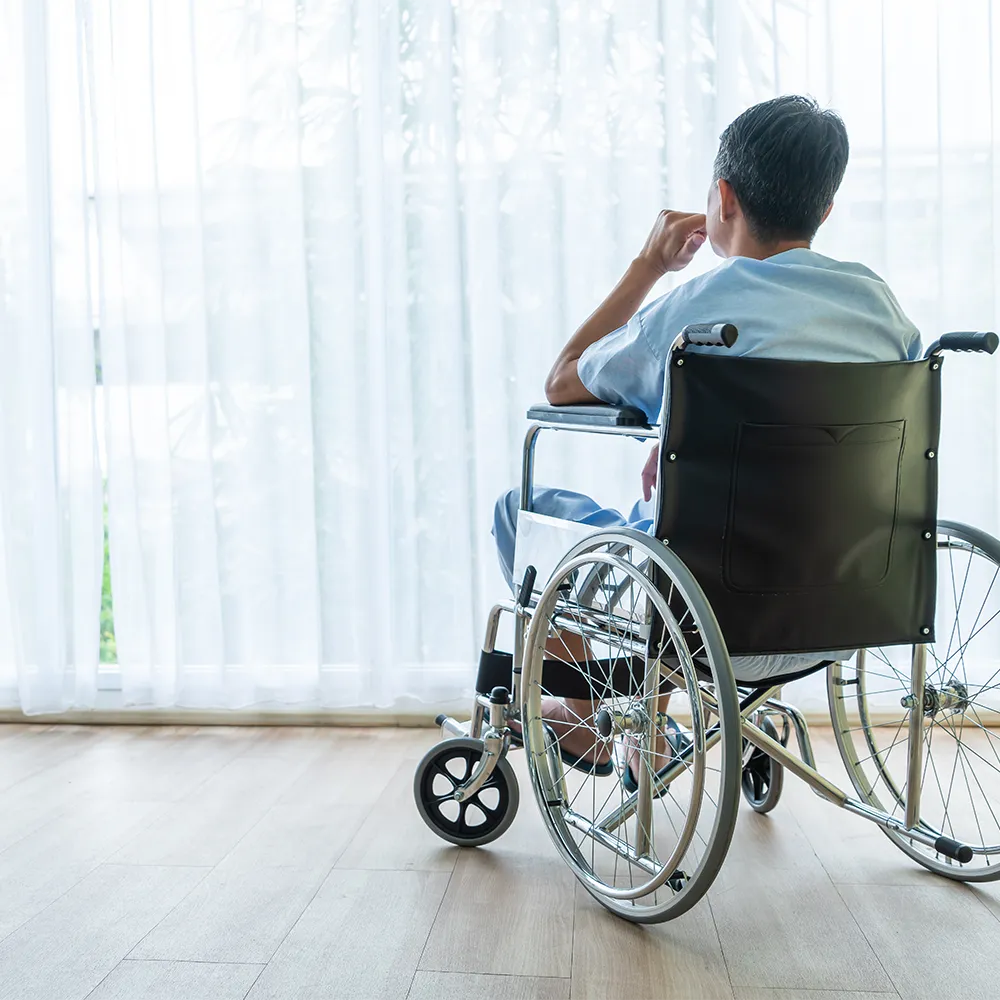
Cerebral Palsy (CP) is a group of permanent neurological disorders that affect movement, muscle tone, posture, and coordination. It develops due to abnormal brain development or injury to the developing brain before birth, during delivery, or in early infancy. Although the brain injury does not worsen over time, the physical challenges associated with cerebral palsy may change as a child grows.
Cerebral palsy is the most common motor disability in childhood. With early diagnosis, appropriate rehabilitation, and long-term neurological care, many children can achieve improved mobility, independence, and quality of life.
Dr. (Prof.) Kunal Bahrani, an experienced neurologist in Faridabad, provides comprehensive evaluation and long-term management for children and adults with cerebral palsy. His approach focuses on maximizing functional abilities, managing associated neurological complications, and supporting patients and their families through individualized care.
What is Cerebral Palsy?
Cerebral palsy is a non-progressive neurological condition caused by damage to the developing brain. The injury affects the brain’s ability to control muscle movement, balance, posture, and coordination.
Although the underlying brain injury remains unchanged throughout life, the symptoms and physical needs of individuals with cerebral palsy may evolve with age and require ongoing medical and rehabilitative support.
Types of Cerebral Palsy
The main types of cerebral palsy include:
Spastic Cerebral Palsy
The most common type, characterized by increased muscle tone, stiffness, and difficulty with voluntary movement.
Dyskinetic Cerebral Palsy
This type causes involuntary, uncontrolled, twisting, or repetitive movements that may interfere with normal daily activities.
Ataxic Cerebral Palsy
Children experience poor balance, coordination difficulties, and challenges with precise movements.
Mixed Cerebral Palsy
Some individuals have features of more than one type of cerebral palsy.
Symptoms of Cerebral Palsy
The severity and combination of symptoms vary from person to person.
Common signs include:
- Muscle stiffness or spasticity
- Low muscle tone (hypotonia)
- Delayed motor milestones
- Difficulty sitting, standing, or walking
- Poor balance and coordination
- Involuntary movements
- Tremors
- Muscle weakness
- Abnormal posture
- Difficulty with fine motor skills
- Speech difficulties
- Swallowing problems
- Excessive drooling
- Joint contractures
- Learning or developmental difficulties in some children
Some children may also develop associated conditions such as epilepsy, visual impairment, hearing problems, or intellectual disability.
Causes of Cerebral Palsy
Cerebral palsy results from injury to the developing brain before, during, or shortly after birth.
Possible causes include:
- Abnormal brain development during pregnancy
- Premature birth
- Low birth weight
- Reduced oxygen supply to the baby’s brain around birth
- Severe newborn infections
- Stroke before or shortly after birth
- Head injury during infancy (less common)
In many children, no single definite cause can be identified.
How is Cerebral Palsy Diagnosed?
Early diagnosis allows rehabilitation and supportive therapies to begin as soon as possible.
Dr. (Prof.) Kunal Bahrani performs a detailed neurological and developmental assessment, which may include:
- Comprehensive neurological examination
- Developmental milestone assessment
- Evaluation of muscle tone and reflexes
- Brain MRI when indicated
- Vision and hearing assessment
- Genetic or metabolic testing in selected cases
- Assessment for associated neurological conditions such as epilepsy
Diagnosis is based on clinical findings supported by appropriate investigations when necessary.
Treatment for Cerebral Palsy
Although cerebral palsy cannot be cured, early intervention and multidisciplinary management can significantly improve mobility, independence, communication, and overall quality of life.
Treatment plans are individualized and may include:
Medicines may be prescribed to reduce muscle spasticity, control involuntary movements, or manage associated conditions such as seizures.
Physical Therapy
Regular physiotherapy helps improve muscle strength, flexibility, posture, balance, and mobility while preventing joint stiffness and contractures.
Occupational Therapy
Occupational therapy focuses on improving independence in daily activities such as eating, dressing, writing, and self-care.
Speech and Swallowing Therapy
Children with speech or swallowing difficulties may benefit from specialized therapy to improve communication and feeding skills.
Orthotic Devices
Braces, splints, walkers, or wheelchairs may improve mobility, posture, and functional independence.
Surgical Intervention
In selected patients, orthopedic or neurosurgical procedures may be recommended to improve movement, reduce contractures, or manage severe spasticity.
Why Choose Dr. (Prof.) Kunal Bahrani?
Managing cerebral palsy requires long-term neurological expertise and coordinated multidisciplinary care.
Dr. Kunal Bahrani provides comprehensive neurological evaluation, individualized treatment planning, and regular follow-up to address movement disorders, muscle spasticity, developmental concerns, and associated neurological complications. His patient-centered approach aims to maximize functional abilities and improve the overall quality of life for children and adults living with cerebral palsy.
When Should Parents Seek Medical Evaluation?
Parents should consult a neurologist if their child:
- Has delayed developmental milestones
- Appears unusually stiff or floppy
- Shows poor head control
- Has difficulty sitting, crawling, or walking
- Develops persistent muscle tightness
- Experiences involuntary movements
- Has feeding or swallowing difficulties
- Shows concerns regarding balance or coordination
Early evaluation enables timely intervention and better long-term outcomes.
Frequently Asked Questions
Is cerebral palsy progressive?
No. The underlying brain injury does not worsen over time. However, physical symptoms and functional needs may change as a child grows, making regular follow-up important.
Can cerebral palsy be cured?
There is currently no cure for cerebral palsy. However, early rehabilitation, medical management, and supportive therapies can significantly improve movement, independence, and quality of life.
Can children with cerebral palsy attend school?
Yes. Many children with cerebral palsy attend mainstream or specialized educational programs depending on their individual abilities and support requirements.
Does every child with cerebral palsy have intellectual disability?
No. Intelligence varies widely among children with cerebral palsy. Many have normal cognitive abilities, while others may have associated developmental or learning challenges.
Book a Consultation with Dr. (Prof.) Kunal Bahrani
If your child has delayed motor milestones, muscle stiffness, balance problems, or concerns about movement and coordination, early neurological assessment is essential.
Dr. (Prof.) Kunal Bahrani offers comprehensive evaluation and personalized management for Cerebral Palsy in Faridabad, helping children and families access evidence-based neurological care, rehabilitation, and long-term support aimed at improving mobility, independence, and quality of life.