






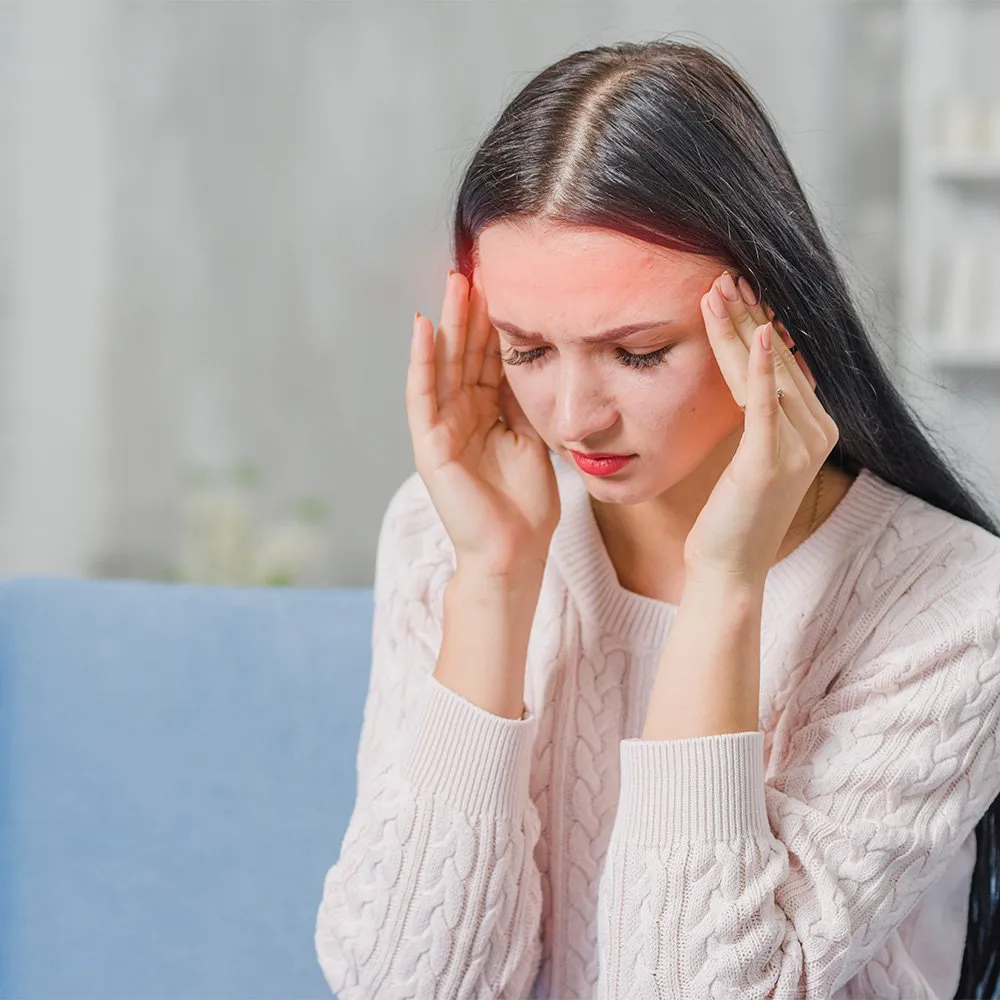
Migraine is a common neurological disorder that causes recurrent episodes of moderate to severe headaches, often accompanied by nausea, vomiting, and increased sensitivity to light, sound, or smells. Unlike a regular headache, a migraine can significantly interfere with daily activities, work, and overall quality of life.
Migraine attacks vary from person to person. Some individuals experience warning symptoms before the headache begins, while others may develop visual disturbances or neurological symptoms known as an aura. Without proper diagnosis and treatment, migraine episodes may become more frequent and difficult to control over time.
Dr. (Prof.) Kunal Bahrani, a leading neurologist in Faridabad, provides comprehensive evaluation and personalized migraine treatment to help patients reduce the frequency and severity of attacks and improve their quality of life.
What is a Migraine?
A migraine is a neurological condition characterized by recurring headache attacks that typically affect one side of the head, although both sides may be involved. The pain is usually throbbing or pulsating and may last anywhere from 4 to 72 hours if left untreated.
Migraine is much more than just a headache. Many patients experience additional symptoms such as nausea, dizziness, visual disturbances, and sensitivity to light or sound, making routine activities difficult during an attack.
Migraine can develop at any age but is most commonly diagnosed between the ages of 10 and 45 years. It tends to occur more frequently in women and often has a family history.
Types of Migraine
Migraine presents in several forms, each requiring an individualized treatment approach.
Chronic Migraine
Chronic migraine is diagnosed when headaches occur on 15 or more days per month, with migraine features present on at least eight of those days for more than three months.
Migraine with Aura
Some people experience temporary neurological symptoms before the headache begins. These may include flashing lights, zigzag lines, blind spots, tingling sensations, or temporary speech disturbances.
Migraine without Aura
This is the most common form of migraine, where headache attacks occur without preceding neurological symptoms.
Menstrual Migraine
Hormonal changes around menstruation can trigger migraine attacks in many women.
Abdominal Migraine
More common in children, abdominal migraine causes recurrent episodes of abdominal pain with nausea and vomiting, often without a significant headache.
Hemiplegic Migraine
A rare type of migraine that causes temporary weakness or paralysis on one side of the body along with migraine symptoms. Immediate medical evaluation is essential to distinguish it from a stroke.
Common Symptoms of Migraine
Migraine symptoms vary from person to person and may change between attacks.
Common symptoms include:
- Moderate to severe throbbing headache
- Pain on one or both sides of the head
- Nausea and vomiting
- Sensitivity to light (photophobia)
- Sensitivity to sound (phonophobia)
- Sensitivity to strong smells
- Blurred vision
- Visual aura or flashing lights
- Neck stiffness
- Dizziness or light-headedness
- Fatigue and weakness
- Difficulty concentrating
- Frequent yawning
- Increased thirst or urination
- Temporary vision changes
- Worsening pain during physical activity
Common Migraine Triggers
Migraine triggers differ between individuals. Identifying personal triggers can help reduce the frequency of attacks.
Common triggers include:
- Emotional stress
- Lack of sleep
- Skipping meals or prolonged fasting
- Dehydration
- Hormonal fluctuations
- Loud noises
- Bright or flashing lights
- Strong odours
- Weather changes
- Certain foods and beverages
- Excessive caffeine or caffeine withdrawal
- Alcohol consumption
- Changes in daily routine
What Causes Migraine?
The exact cause of migraine is not fully understood. Current research suggests that migraine results from abnormal brain activity affecting nerve pathways, blood vessels, and brain chemicals involved in pain transmission.
Several factors may increase the risk of developing migraine, including:
- Family history of migraine
- Hormonal changes
- Stress
- Sleep disorders
- Certain medications
- Environmental triggers
How is Migraine Diagnosed?
There is no single test that confirms migraine. Diagnosis is primarily based on a detailed medical history, symptom pattern, and neurological examination.
Depending on the clinical findings, Dr. (Prof.) Kunal Bahrani may recommend:
- Comprehensive neurological examination
- Detailed headache assessment
- MRI brain (when clinically indicated)
- CT scan in selected cases
- Blood investigations to exclude other medical conditions
These tests help rule out other causes of persistent or severe headaches.
Migraine Treatment
Migraine treatment is individualized based on the frequency, severity, duration of attacks, and the patient’s overall health.
Treatment may include:
Acute Migraine Treatment
Medications prescribed during an attack help reduce headache severity and associated symptoms.
Preventive Therapy
Patients with frequent migraines may benefit from preventive medications that reduce the number and intensity of attacks.
Lifestyle Modifications
Simple lifestyle measures often play an important role in migraine management:
- Maintaining regular sleep patterns
- Staying well hydrated
- Eating meals on time
- Managing stress
- Regular physical activity
- Avoiding known migraine triggers
Long-Term Management
Keeping a headache diary can help identify triggers and assess treatment effectiveness over time.
When Should You See a Neurologist?
Consult a neurologist if you experience:
- Frequent or recurring headaches
- Headaches that interfere with daily activities
- Severe headaches with nausea or vomiting
- Visual disturbances before headaches
- Headaches that are becoming more frequent
- New headaches after the age of 50
- Sudden, severe headaches
- Headaches associated with weakness, speech difficulty, confusion, or seizures
Prompt evaluation helps identify the underlying cause and ensures appropriate treatment.
Why Choose Dr. (Prof.) Kunal Bahrani?
Migraine requires more than temporary pain relief. Accurate diagnosis, identification of triggers, and a personalized treatment plan are essential for long-term control.
Dr. (Prof.) Kunal Bahrani provides evidence-based migraine care with a comprehensive neurological evaluation, individualized treatment strategies, preventive therapies, and ongoing follow-up to help patients achieve lasting symptom control and an improved quality of life.
Frequently Asked Questions
Is migraine the same as a normal headache?
No. Migraine is a neurological disorder that often causes severe headache along with symptoms such as nausea, vomiting, and sensitivity to light or sound.
Can migraine be cured?
While there is no permanent cure, migraine can usually be managed effectively with medications, lifestyle changes, and trigger avoidance.
What foods can trigger migraine?
Common dietary triggers include alcohol, aged cheese, processed meats, chocolate, foods containing monosodium glutamate (MSG), and excessive caffeine. Triggers vary between individuals.
Is migraine hereditary?
Yes. Many people with migraine have a family history of the condition, suggesting a genetic predisposition.
Can stress trigger migraine?
Yes. Emotional stress is one of the most common migraine triggers and may increase both the frequency and severity of attacks.
Book a Consultation with Dr. (Prof.) Kunal Bahrani
If you experience frequent headaches, migraine attacks, visual disturbances, or headaches that affect your daily life, seek expert neurological evaluation without delay.
Dr. (Prof.) Kunal Bahrani offers comprehensive migraine diagnosis and personalized treatment in Faridabad, helping patients reduce headache frequency, prevent complications, and improve long-term quality of life.
Related Neurological Conditions
Patients with migraine may also require evaluation for other neurological disorders. Learn more about:
• Headache Treatment
• Vertigo Treatment
• Epilepsy Treatment
• Stroke Treatment
• Multiple Sclerosis Treatment
• Botulinum Toxin Injections for Chronic Migraine