






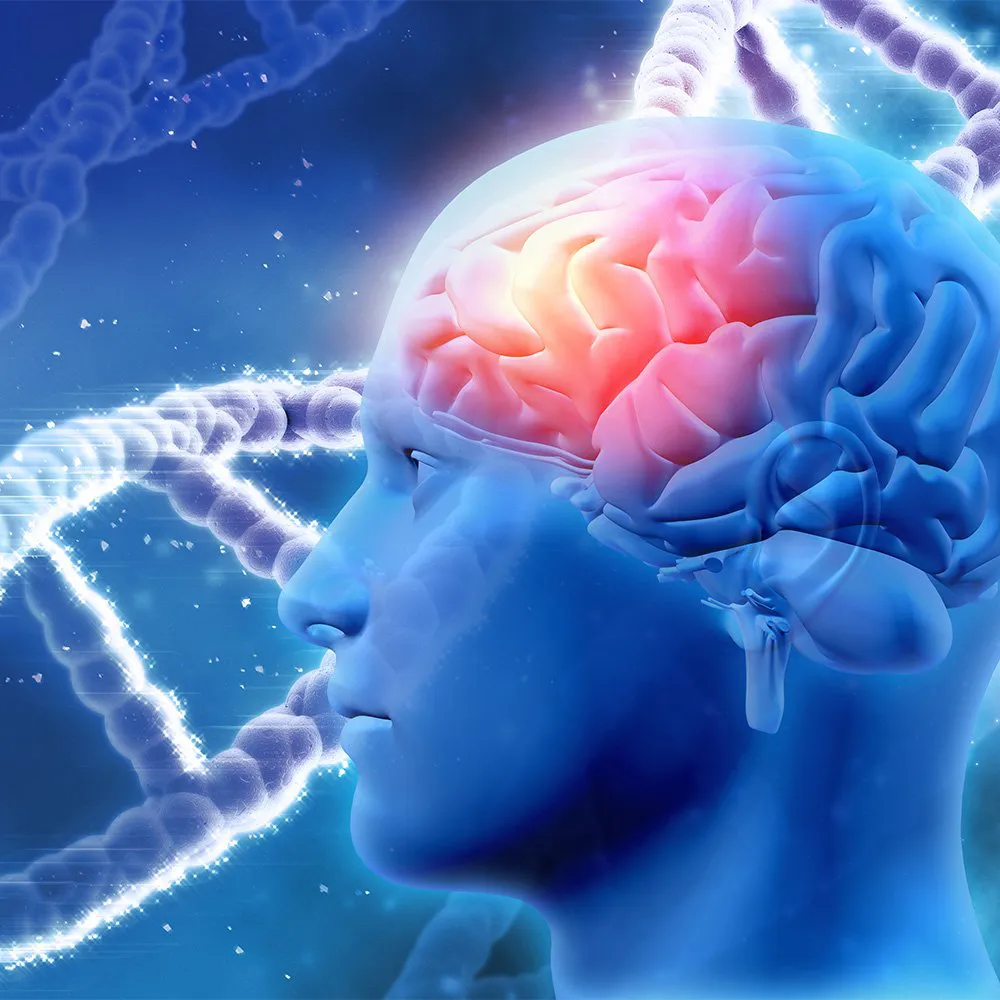
Parkinson’s disease is a progressive neurological disorder that primarily affects movement, balance, coordination, and muscle control. It develops when dopamine-producing nerve cells in a part of the brain called the substantia nigra gradually degenerate, leading to impaired communication between the brain and muscles.
Although Parkinson’s disease most commonly affects adults over the age of 60, it can occasionally develop in younger individuals. Early diagnosis and appropriate treatment can help manage symptoms, maintain independence, and improve quality of life.
Dr. (Prof.) Kunal Bahrani, an experienced neurologist in Faridabad, offers comprehensive evaluation and evidence-based treatment for Parkinson’s disease, providing personalized care tailored to each patient’s symptoms, disease stage, and lifestyle.
What is Parkinson’s Disease?
Parkinson’s disease (PD) is a chronic, progressive neurodegenerative disorder that primarily affects the body’s ability to control voluntary movement. As dopamine levels decrease, patients may experience tremors, muscle stiffness, slowed movements, and balance problems.
The condition usually progresses gradually over several years. While Parkinson’s disease cannot currently be cured, timely medical management can significantly improve symptoms and help patients maintain an active and independent lifestyle.
Who is at Risk of Parkinson’s Disease?
Parkinson’s disease can affect anyone, but certain factors increase the risk.
Risk factors include:
- Age above 60 years
- Family history of Parkinson’s disease
- Male gender (men are affected more often than women)
- Exposure to certain environmental toxins
- Previous head injury (in some individuals)
Although age is the strongest risk factor, younger adults can also develop Young-Onset Parkinson’s Disease.
Stages of Parkinson’s Disease
Parkinson’s disease progresses at different rates in different individuals. Symptoms are commonly classified into five stages.
Stage 1
Symptoms are mild and usually affect one side of the body. Daily activities remain largely unaffected.
Stage 2
Symptoms gradually involve both sides of the body. Walking, posture, and routine tasks may become more difficult, although independent living is generally maintained.
Stage 3
This is considered the middle stage of Parkinson’s disease. Balance becomes impaired, movements slow significantly, and falls become more common.
Stage 4
Symptoms become more severe, and patients often require assistance with walking and performing daily activities.
Stage 5
This is the most advanced stage. Walking may no longer be possible without assistance, and full-time support is often required for daily care.
Symptoms of Parkinson’s Disease
Symptoms usually develop gradually and worsen over time.
Common symptoms include:
- Tremors, especially at rest
- Slowed movements (bradykinesia)
- Muscle stiffness or rigidity
- Difficulty with balance and coordination
- Shuffling gait
- Reduced arm swing while walking
- Stooped posture
- Difficulty turning while walking
- Soft or monotone speech
- Changes in handwriting (micrographia)
- Reduced facial expression
- Loss of automatic movements such as blinking
- Difficulty swallowing
- Excessive salivation
- Reduced sense of smell
- Sleep disturbances
- Constipation
- Anxiety and depression
- Fatigue
- Increased sweating
- Erectile dysfunction in men
Not every patient experiences all symptoms, and their severity varies considerably.
What Causes Parkinson’s Disease?
The exact cause of Parkinson’s disease remains unknown. Researchers believe it results from a combination of genetic and environmental factors.
As dopamine-producing neurons gradually die, the brain loses its ability to regulate smooth and coordinated movements.
Several genes have been linked to Parkinson’s disease, although inherited forms account for only a small percentage of cases.
How is Parkinson’s Disease Diagnosed?
There is currently no single laboratory test that confirms Parkinson’s disease.
Diagnosis is based on:
- Detailed medical history
- Comprehensive neurological examination
- Assessment of movement and balance
- Evaluation of gait and coordination
- Review of symptom progression
In some cases, additional investigations may be recommended to exclude other neurological disorders, including:
- MRI Brain
- Blood investigations
- Functional imaging in selected patients
Parkinson’s Disease Treatment
Although Parkinson’s disease cannot currently be cured, treatment can effectively control symptoms and improve quality of life.
Dr. (Prof.) Kunal Bahrani develops individualized treatment plans based on the patient’s age, symptoms, disease stage, and overall health.
Medications
Medications help restore dopamine activity or improve communication between nerve cells, reducing tremors, stiffness, and slowness of movement.
Physiotherapy and Rehabilitation
Regular physiotherapy helps improve:
- Balance
- Walking ability
- Flexibility
- Muscle strength
- Posture
Speech therapy and occupational therapy may also be recommended when appropriate.
Lifestyle Modifications
Patients are encouraged to:
- Exercise regularly
- Follow a balanced diet
- Maintain good sleep habits
- Stay socially active
- Practice balance and flexibility exercises
- Reduce fall risks at home
Long-Term Follow-up
Because Parkinson’s disease progresses gradually, regular neurological follow-ups are essential for adjusting medications and monitoring symptom progression.
When Should You Consult a Neurologist?
Seek neurological evaluation if you experience:
- Persistent tremors
- Slowness of movement
- Muscle stiffness
- Difficulty walking
- Balance problems
- Frequent falls
- Changes in handwriting
- Reduced facial expression
- Soft or slurred speech
- Difficulty swallowing
- Symptoms that gradually worsen over time
Early diagnosis allows treatment to begin before symptoms significantly affect daily life.
Why Choose Dr. (Prof.) Kunal Bahrani?
Dr. (Prof.) Kunal Bahrani provides comprehensive Parkinson’s disease care using a patient-centred, evidence-based approach. His focus on accurate diagnosis, individualized treatment, rehabilitation, patient education, and long-term follow-up helps patients maintain mobility, independence, and a better quality of life throughout every stage of the disease.
Frequently Asked Questions
Is Parkinson’s disease curable?
Currently, there is no cure for Parkinson’s disease. However, medications, rehabilitation, and lifestyle modifications can effectively control symptoms and improve quality of life.
Is tremor always present in Parkinson’s disease?
No. Although tremor is a common symptom, some patients primarily experience stiffness and slowed movement without significant tremors.
Can younger people develop Parkinson’s disease?
Yes. While Parkinson’s disease is more common after the age of 60, younger adults can develop early-onset Parkinson’s disease.
Does Parkinson’s disease affect memory?
Some individuals may develop cognitive changes in later stages, but memory problems are usually less prominent during the early stages.
Can exercise help Parkinson’s disease?
Yes. Regular exercise, physiotherapy, and balance training play an important role in maintaining mobility, flexibility, and overall function.
Book a Consultation with Dr. (Prof.) Kunal Bahrani
If you experience tremors, muscle stiffness, slowed movement, balance problems, or changes in walking, early neurological evaluation is essential.
Dr. (Prof.) Kunal Bahrani offers expert diagnosis and personalized Parkinson’s disease treatment in Faridabad, helping patients manage symptoms, maintain independence, and achieve the best possible quality of life.