






Posted By: Dr. (Prof.) Kunal Bahrani on 09 Aug 2026
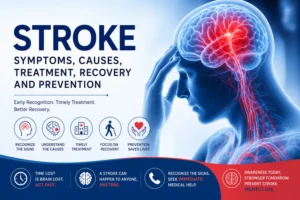
A stroke can happen suddenly, sometimes when a person appears completely well. One moment someone may be speaking normally, walking around the house or having breakfast; within minutes, they may develop weakness on one side, difficulty speaking, facial drooping, severe imbalance or confusion.
This is why stroke should never be treated as an ordinary medical problem that can wait until the next day.
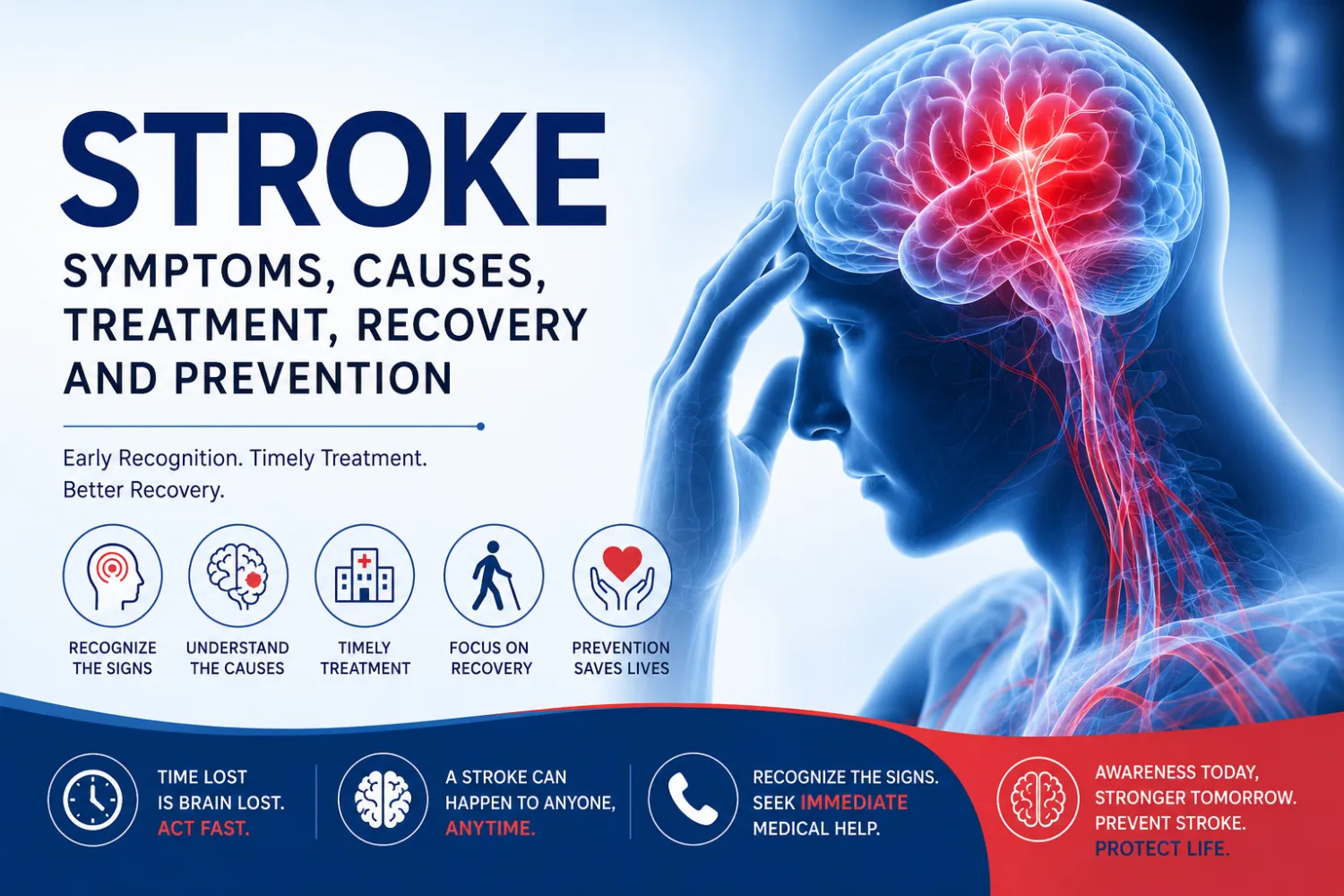
A stroke occurs when the blood supply to part of the brain is interrupted because of a blocked blood vessel or bleeding from a ruptured vessel. Without adequate blood flow, brain tissue can become damaged. Stroke is therefore a medical emergency in which early recognition, rapid assessment and appropriate treatment are extremely important.
For families in Faridabad looking for a stroke specialist in Faridabad, understanding what to do before reaching the hospital can be just as important as knowing where to seek specialist care.
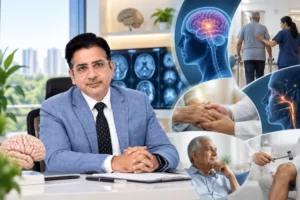
Dr. (Prof.) Kunal Bahrani, DM Neurology (AIIMS), FRCP (London & Glasgow), is a neurologist in Faridabad with more than 15 years of experience. His professional profile specifically lists expertise in thrombolysis in acute stroke, along with the diagnosis and management of a wide range of neurological disorders. He is currently Chairman & Group Director – Neurology at Yatharth Hospital, Sector 20, Faridabad.
This article explains stroke in practical terms — from the first warning signs and emergency treatment to risk-factor control, rehabilitation and long-term prevention.
What Is a Stroke?
A stroke happens when part of the brain suddenly stops receiving an adequate blood supply or when a blood vessel in the brain ruptures and causes bleeding.
The brain requires a continuous supply of oxygen and nutrients. Unlike some other tissues, brain cells are highly sensitive to interruption of blood flow. When an artery becomes blocked, the affected brain tissue may begin to suffer injury. When a blood vessel bursts, blood can damage surrounding brain tissue and increase pressure inside the skull.
There are two major types of stroke:
- Ischemic stroke — caused by blockage of a blood vessel.
- Hemorrhagic stroke — caused by bleeding from a ruptured blood vessel.
A third important condition is a transient ischemic attack (TIA). A TIA produces stroke-like symptoms because blood flow to part of the brain is temporarily interrupted. Even when symptoms disappear, a TIA should be taken seriously because it can be a warning of a future stroke.
The important point is that a person experiencing sudden neurological symptoms cannot reliably determine the type of stroke at home. Medical assessment and brain imaging are required to guide treatment.
What Are the Early Warning Signs of Stroke?
Stroke symptoms usually begin suddenly, although the exact symptoms vary according to the part of the brain affected.
A useful way to remember the most common warning signs is BE FAST:
B — Balance
Sudden difficulty walking, loss of coordination, severe dizziness or unexplained loss of balance may be a stroke warning sign.
E — Eyes
Sudden loss of vision, double vision or a significant change in vision can occur with stroke.
F — Face
Ask the person to smile.
Does one side of the face droop?
Is the smile uneven?
Facial weakness can be an important warning sign.
A — Arms
Ask the person to raise both arms.
Does one arm drift downward?
Is there sudden weakness or numbness on one side?
S — Speech
Ask the person to repeat a simple sentence.
Is the speech slurred?
Are the words unclear?
Does the person have difficulty understanding or producing speech?
T — Time
If these symptoms appear suddenly, time matters.
Do not wait to see whether the symptoms improve.
Do not assume the person is tired, has low blood pressure or has simply become weak.
Seek emergency medical attention immediately.
Stroke treatment is strongly time-dependent, and current stroke guidelines continue to emphasise rapid recognition, transport, brain imaging and treatment for eligible patients.
What Does a Stroke Feel Like?
There is no single experience that defines stroke.
Some people suddenly lose strength in an arm or leg. Others suddenly cannot speak properly. Some develop visual disturbances, severe imbalance or difficulty understanding what people are saying.
Possible stroke symptoms include:
- Sudden weakness of the face, arm or leg
- Numbness, particularly on one side
- Difficulty speaking
- Slurred speech
- Difficulty understanding speech
- Sudden confusion
- Sudden visual disturbance
- Loss of balance
- Difficulty walking
- Sudden dizziness
- Loss of coordination
- Severe or unusual headache, particularly when accompanied by other neurological symptoms
- Difficulty swallowing
- Sudden changes in alertness
Not every person experiences all these symptoms.
A stroke can also occur without obvious paralysis. A person may mainly have difficulty speaking, seeing, coordinating movements or understanding language.
That is one reason why unexplained sudden neurological symptoms should be assessed urgently.
What Should You Do If You Suspect a Stroke?
If you think someone is having a stroke, the priority should be rapid emergency medical evaluation.
Remember these practical steps:
- Note when the symptoms started.
If the exact time is unknown, note when the person was last known to be normal.
This information can be extremely important when doctors determine whether certain emergency treatments may be appropriate.
- Seek emergency medical care immediately.
Do not drive around looking for a specialist while delaying emergency assessment.
- Do not wait for symptoms to disappear.
Stroke symptoms can sometimes improve temporarily, but this does not mean the danger has passed.
- Do not give medications on your own.
The treatment for an ischemic stroke can be very different from the treatment for a hemorrhagic stroke. Aspirin or another medicine should not simply be given because someone appears to be having a stroke.
- Take previous medical records if readily available.
Bring medication details, previous scans and relevant medical information if doing so does not delay emergency transport.
The first objective is always to reach appropriate emergency medical care quickly.
What Causes a Stroke?
Stroke has many possible causes.
Some are related to blood vessels and clot formation, while others involve heart rhythm abnormalities, blood vessel disease or uncontrolled medical conditions.
Common risk factors include:
- High blood pressure
- Diabetes
- High cholesterol
- Smoking
- Heart disease
- Certain abnormal heart rhythms, particularly atrial fibrillation
- Previous stroke or TIA
- Obesity and physical inactivity
- Excessive alcohol consumption
- Increasing age
- Certain blood disorders
- Some inherited conditions
- Blood vessel abnormalities
- Obstructive sleep-related breathing disorders in some patients
High blood pressure is one of the most important modifiable risk factors for stroke. The overall risk generally increases as the number and severity of risk factors increase.
Importantly, having a risk factor does not mean a person will definitely suffer a stroke. Similarly, someone without obvious risk factors can still have a stroke.
Ischemic Stroke: The Most Common Type
An ischemic stroke occurs when a blood vessel supplying the brain becomes blocked.
The blockage may develop in an artery supplying the brain or may result from a clot that forms elsewhere, such as in the heart, and travels to the brain.
The result is reduced blood flow to the affected area.
The severity of an ischemic stroke depends on several factors, including:
- Which blood vessel is blocked
- Where the blockage occurs
- How much brain tissue is affected
- How quickly blood flow is restored
- The patient’s overall health
- Whether complications develop
Some ischemic strokes are relatively small, while others can cause extensive neurological disability.
Because treatment options are time-sensitive, patients with suspected acute ischemic stroke should be evaluated as quickly as possible.
Hemorrhagic Stroke: When a Blood Vessel Bleeds
A hemorrhagic stroke occurs when a blood vessel in the brain ruptures and blood escapes into or around brain tissue.
The bleeding itself can damage brain cells. It can also increase pressure within the skull and cause additional neurological injury.
Important causes and contributing factors may include:
- Long-standing uncontrolled high blood pressure
- Certain blood vessel abnormalities
- Blood-thinning medication in some circumstances
- Certain bleeding disorders
- Other structural abnormalities of cerebral blood vessels
The symptoms can overlap with those of ischemic stroke.
That is why it is dangerous to assume that a sudden neurological problem is a clot and start treatment without medical assessment.
A brain scan is needed to distinguish bleeding from an ischemic event and to determine the appropriate treatment pathway.
What Is a Mini-Stroke or TIA?
A transient ischemic attack, commonly called a TIA, produces temporary stroke-like symptoms.
For example, a person may suddenly develop:
- Facial weakness
- Arm or leg weakness
- Speech difficulty
- Numbness
- Vision problems
- Dizziness or imbalance
The symptoms may disappear after a short period.
That can create a false sense of security.
A TIA is not something that should simply be ignored because the person feels normal again. It can indicate an underlying vascular problem and an increased risk of future stroke.
The goal after a TIA is to identify why it happened and address preventable risk factors.
How Is Stroke Diagnosed?
Stroke diagnosis begins with the patient’s history and neurological examination.
The doctor needs to understand:
- What symptoms appeared?
- When did they begin?
- What was the patient doing when symptoms started?
- Was the onset sudden or gradual?
- Which side of the body is affected?
- Is speech affected?
- Is vision affected?
- Is the patient conscious and responsive?
- Does the patient have a history of hypertension, diabetes, heart disease or previous stroke?
- What medications does the patient take?
Brain imaging is then used to determine what is happening inside the brain.
CT Scan
A non-contrast CT scan is commonly used during the initial assessment because it can rapidly identify brain bleeding and other important findings.
MRI Brain
MRI can provide more detailed information about brain tissue and may be particularly useful in selected situations.
CT Angiography
CT angiography may help identify blood vessel blockage or other vascular abnormalities.
CT Perfusion or Other Advanced Imaging
In selected patients, advanced imaging may help doctors determine how much brain tissue is already irreversibly injured and whether potentially salvageable tissue remains.
The exact investigations depend on the clinical situation and the resources available at the treating centre.
Current 2026 American Heart Association/American Stroke Association guidance places strong emphasis on rapid imaging and appropriate selection of patients for reperfusion treatments.
What Is Stroke Treatment?
Stroke treatment depends primarily on the type of stroke.
There is no single medicine that is appropriate for every stroke patient.
The first major question is:
Is the stroke caused by a blocked blood vessel or bleeding?
Once the stroke type is established, the medical team determines the appropriate treatment based on the patient’s symptoms, imaging, timing, medical history and other factors.
Treatment of Ischemic Stroke
The central objective in acute ischemic stroke is to restore blood flow to the affected part of the brain as quickly as safely possible.
Depending on the patient’s situation, treatment may include intravenous thrombolysis and/or endovascular treatment.
Intravenous Thrombolysis
Thrombolytic medicines are designed to help dissolve blood clots.
The 2026 AHA/ASA guideline supports either alteplase or tenecteplase for eligible patients within the standard 4.5-hour thrombolytic window, while also recognising selected situations where advanced imaging can help identify patients who may benefit outside the conventional window.
Importantly, not every patient is eligible.
Doctors must consider factors such as:
- Time since symptoms began
- Severity and type of symptoms
- Brain imaging
- Risk of bleeding
- Current medications
- Medical history
- Blood pressure
- Other clinical factors
This is why a suspected stroke should be evaluated in a hospital capable of providing acute stroke care.
Mechanical Thrombectomy for Selected Stroke Patients
Some ischemic strokes occur because a large artery in the brain becomes blocked.
In selected patients, doctors may perform endovascular thrombectomy, a procedure designed to physically remove the clot from the blocked artery.
A catheter is guided through the blood vessels to the site of the blockage, where specialised devices can be used to retrieve the clot.
Mechanical thrombectomy has become a major treatment for eligible patients with large-vessel occlusion.
The 2026 AHA/ASA guideline has expanded recommendations for endovascular thrombectomy in several patient groups, including selected patients with larger areas of established brain injury and selected posterior-circulation strokes.
However, thrombectomy is not suitable for every stroke patient.
The decision depends on clinical assessment and imaging.
Why Time Matters So Much in Stroke
You may have heard the phrase:
“Time is brain.”
The reason is simple: when blood flow to the brain is interrupted, brain tissue is at risk.
Every minute of delay can matter.
Modern stroke care therefore focuses on reducing delays at every stage:
Symptom recognition → Emergency transport → Brain imaging → Diagnosis → Treatment
A patient should not lose valuable time travelling from one clinic to another for a routine appointment if they have sudden stroke symptoms.
The appropriate pathway is emergency assessment.
Current guidelines emphasise rapid diagnosis, imaging and treatment, with treatment decisions based on the patient’s individual clinical and imaging profile.
Treatment of Hemorrhagic Stroke
Hemorrhagic stroke requires a different approach.
Treatment may focus on:
- Controlling blood pressure appropriately
- Managing increased pressure within the skull when present
- Reversing certain blood-thinning effects when medically indicated
- Monitoring neurological status
- Treating the underlying cause of bleeding
- Neurosurgical or endovascular intervention in selected cases
Some hemorrhagic strokes require intensive neurological or neurosurgical care.
The treatment decision depends on the location and size of the bleed, the patient’s neurological condition, the cause of bleeding and other clinical factors.
Can Stroke Be Completely Cured?
The answer depends on the individual.
Some patients recover very well, particularly when the stroke is identified and treated early and the area of brain injury is limited.
Others may have lasting problems involving:
- Walking
- Arm or hand movement
- Speech
- Swallowing
- Vision
- Memory
- Attention
- Mood
- Coordination
- Independence in daily activities
The outcome depends on the location and extent of brain injury as well as the patient’s health and rehabilitation.
Stroke recovery is not necessarily limited to the first few weeks. Improvement can continue over months and, in some patients, longer with appropriate rehabilitation and ongoing support. Rehabilitation can help people relearn skills and adapt to changes caused by stroke.
Stroke Rehabilitation: An Important Part of Recovery
Treating the initial stroke is only the beginning.
After the acute phase, rehabilitation can become an important part of recovery.
Depending on the patient’s needs, rehabilitation may involve:
Physiotherapy
Helps improve strength, balance, mobility and coordination.
Occupational Therapy
Helps patients regain independence in daily activities such as dressing, bathing, eating and household tasks.
Speech and Language Therapy
Can help patients with speech, language, communication and swallowing difficulties.
Cognitive Rehabilitation
Some stroke survivors experience problems with attention, memory, planning or other thinking abilities.
Psychological Support
Anxiety, depression, frustration and emotional changes can occur after stroke. Emotional health should be treated as part of the overall recovery process.
Rehabilitation is not identical for every patient.
The right programme depends on the part of the brain affected, the severity of the stroke and the person’s functional limitations.
Stroke Recovery: What Families Should Know
Families often ask one question:
“When will the patient become normal again?”
Unfortunately, there is no reliable universal timeline.
Recovery varies significantly between individuals.
Some patients show major improvement in the first days and weeks. Others improve more gradually.
A patient’s rehabilitation potential may be influenced by:
- Size of the stroke
- Location of the brain injury
- Initial neurological severity
- Age and general health
- Previous medical conditions
- Complications
- Quality and consistency of rehabilitation
- Ability to participate in therapy
- Family support
- Prevention of another stroke
The important thing is not to compare one patient’s recovery with another patient’s story.
Stroke is an individual neurological injury.
Can Stroke Happen Again?
Yes.
A person who has already suffered a stroke or TIA can have another stroke.
This is why secondary prevention is extremely important.
After the acute event, doctors may investigate the reason for the stroke.
Depending on the suspected cause, evaluation may include assessment of:
- Blood pressure
- Blood sugar
- Cholesterol
- Heart rhythm
- Heart structure
- Carotid arteries
- Other blood vessels
- Blood clotting or other medical conditions where indicated
The preventive treatment depends on the cause.
Some patients require antiplatelet therapy. Others with specific cardiac conditions may require anticoagulation. Cholesterol management, blood pressure control and diabetes management may also form part of the prevention plan.
Medication should always be taken according to the treating doctor’s instructions.
How Can You Reduce the Risk of Stroke?
Stroke prevention begins with controlling the factors that can be changed.
- Control Blood Pressure
High blood pressure is one of the most important modifiable stroke risk factors.
Many people with hypertension have no obvious symptoms.
Regular monitoring and appropriate treatment therefore matter even when a person feels completely healthy.
- Manage Diabetes
Persistently high blood sugar can damage blood vessels and increase cardiovascular risk.
Good diabetes management should include medical treatment, appropriate nutrition, physical activity and regular monitoring.
- Control Cholesterol
High levels of certain blood lipids can contribute to atherosclerosis and vascular disease.
A doctor may recommend lifestyle measures and medication depending on the individual’s overall cardiovascular risk.
- Stop Smoking
Smoking damages blood vessels and increases cardiovascular and stroke risk.
Stopping smoking is one of the most valuable steps a smoker can take to improve vascular health.
- Stay Physically Active
Regular physical activity can support healthy blood pressure, weight, blood sugar and cardiovascular function.
The appropriate activity level depends on age, health and existing medical conditions.
- Maintain a Healthy Weight
Excess weight can contribute to hypertension, diabetes, sleep disorders and other conditions associated with vascular risk.
- Limit Alcohol
Excessive alcohol intake can contribute to high blood pressure and other health problems.
- Take Prescribed Medicines Correctly
If you have hypertension, diabetes, atrial fibrillation, high cholesterol or another medical condition that increases stroke risk, taking prescribed medicines consistently is important.
Do not stop a blood thinner, blood-pressure medicine or other preventive medication without medical advice.
NINDS notes that stroke risk is influenced by both modifiable and non-modifiable factors and that overall risk tends to increase as risk factors accumulate.
Stroke in Younger Adults
Stroke is often associated with older age, but it can occur in younger adults as well.
Possible causes can differ from those seen in older patients.
Depending on the individual, doctors may consider:
- Heart-related causes
- Blood vessel abnormalities
- Certain clotting disorders
- Autoimmune conditions
- Migraine-associated considerations
- Genetic or inherited disorders
- Substance-related factors
- Traditional vascular risk factors
The important message is simple:
Age alone should not be used to dismiss sudden neurological symptoms.
If a young person suddenly develops weakness, speech difficulty, facial drooping, vision problems or severe imbalance, urgent medical evaluation is required.
Stroke in People With Diabetes and High Blood Pressure
Diabetes and hypertension frequently occur together, and both can contribute to vascular disease.
A person who has both conditions should take stroke prevention seriously.
Regular health monitoring can help identify problems before they lead to major complications.
This includes:
- Blood pressure monitoring
- Diabetes management
- Cholesterol assessment
- Medication adherence
- Appropriate exercise
- Healthy eating
- Smoking cessation
- Regular medical follow-up
Prevention is not about one perfect diet or one supplement.
It is about consistently managing the factors that influence vascular health.
Why Choosing a Stroke Specialist Matters
Stroke care is not limited to prescribing a tablet.
A neurologist involved in stroke care needs to understand the neurological examination, emergency treatment options, brain imaging, vascular causes, secondary prevention and recovery.
When searching online for the best stroke specialist in Faridabad, patients and families should consider practical questions such as:
- Is the doctor a qualified neurologist?
- Does the doctor have experience in acute stroke management?
- Is the doctor experienced with thrombolysis?
- Can the patient access appropriate emergency hospital care?
- Does the doctor manage both acute and long-term neurological problems?
- Is there a plan for prevention after the stroke?
- Does the care team address rehabilitation and functional recovery?
These factors are generally more useful than relying only on online rankings or marketing labels.
Why Patients May Consider Dr. Kunal Bahrani for Stroke Care in Faridabad
Dr. (Prof.) Kunal Bahrani is a neurologist based in Faridabad with more than 15 years of experience.
His qualifications include MBBS, MD, DM (AIIMS), Interventional Headache Fellow (FIHN), FEBN, MRCP (UK), FRCP (Glasgow) and FRCP (London). His professional profile lists thrombolysis in acute stroke among his areas of expertise. He is currently Chairman & Group Director – Neurology at Yatharth Hospital, Sector 20, Faridabad.
His published clinical areas include stroke, epilepsy, headache and migraine disorders, Parkinson’s disease, dementia, multiple sclerosis, myasthenia gravis, neuropathy, muscle diseases and other neurological conditions.
For someone searching for a stroke doctor in Faridabad or a neurologist for stroke treatment in Faridabad, his specialist neurological training and experience in acute stroke management are relevant factors to consider.
The right treatment, however, always depends on the patient’s individual condition, imaging and medical history.
What Should You Take to a Stroke Follow-Up Appointment?
After the emergency phase, follow-up appointments can be more productive when the family brings relevant information.
Consider carrying:
- Hospital discharge summary
- CT/MRI reports and images
- Blood test reports
- ECG or cardiac investigation reports
- Current medication list
- Blood pressure records
- Blood sugar records if relevant
- Details of any new symptoms
- Rehabilitation reports
- Information about previous strokes or TIAs
Family members can also provide useful observations if the patient has difficulty communicating.
Frequently Asked Questions About Stroke
Who is a stroke specialist?
A stroke specialist is generally a neurologist or other physician with specific expertise in diagnosing, treating and preventing stroke. Stroke care can involve emergency medicine, neurology, radiology, neurointervention, neurosurgery, rehabilitation and other specialists depending on the case.
Who is the best stroke specialist in Faridabad?
There is no objective single “best” doctor for every patient. When looking for a best stroke specialist in Faridabad, patients should consider specialist neurological qualifications, experience in acute stroke care, access to appropriate hospital facilities and experience with treatments such as thrombolysis when clinically indicated.
Dr. Kunal Bahrani is a neurologist in Faridabad whose professional profile specifically lists thrombolysis in acute stroke among his areas of expertise.
What are the first signs of stroke?
Common warning signs include sudden facial drooping, weakness or numbness of an arm or leg, speech difficulty, confusion, visual problems, loss of balance, dizziness or difficulty walking. Symptoms that appear suddenly should be treated as an emergency.
Is stroke an emergency?
Yes. A suspected stroke requires urgent medical evaluation because some treatments are time-sensitive.
Can stroke be treated?
Yes. Treatment depends on the type of stroke, its severity, timing, imaging findings and the patient’s medical condition. Ischemic stroke may be treated with reperfusion therapies in eligible patients, while hemorrhagic stroke requires management of bleeding and its underlying cause.
How quickly should a stroke patient reach the hospital?
As quickly as possible. Do not wait for symptoms to improve. The sooner a suspected stroke is assessed, the sooner doctors can determine whether time-sensitive treatment is appropriate.
Can a stroke patient recover completely?
Some patients recover very well, while others have lasting neurological problems. Recovery depends on the extent and location of brain injury, early treatment, rehabilitation and other individual factors.
Can stroke happen again?
Yes. Previous stroke or TIA increases future risk, which is why identifying the cause and addressing risk factors is an important part of long-term stroke care.
Can high blood pressure cause stroke?
Yes. High blood pressure is one of the major modifiable risk factors for stroke. Controlling blood pressure is an important component of stroke prevention.
Can a young person have a stroke?
Yes. Although stroke risk generally increases with age, stroke can occur in younger adults and even children. Sudden neurological symptoms should therefore never be dismissed simply because the person is young.
What is the difference between ischemic and hemorrhagic stroke?
An ischemic stroke is caused by blockage of a blood vessel supplying the brain. A hemorrhagic stroke is caused by bleeding from a ruptured blood vessel. Because the treatments are different, brain imaging is essential.
Is a TIA the same as a stroke?
A TIA produces temporary stroke-like symptoms caused by a brief interruption of blood flow. Symptoms may resolve, but a TIA is an important warning sign and requires medical evaluation.
Does every stroke patient need surgery?
No. Treatment depends on the type and severity of stroke. Some ischemic strokes may be treated with medication, while selected large-vessel occlusions may require thrombectomy. Some hemorrhagic strokes may require surgical or endovascular treatment, while others can be managed medically.
What is thrombolysis in stroke?
Thrombolysis refers to the use of clot-dissolving medication in eligible patients with ischemic stroke. Current guidelines support alteplase or tenecteplase for eligible patients within the standard 4.5-hour window, with additional imaging-based pathways for selected patients.
What is thrombectomy?
Thrombectomy is an endovascular procedure used to remove a clot from a blocked brain artery in selected patients with ischemic stroke. Eligibility depends on clinical and imaging criteria.
Does rehabilitation help after stroke?
Yes. Rehabilitation can help stroke survivors regain or adapt to lost abilities, including walking, communication and daily activities. Recovery can continue over months or longer, depending on the individual.
When Should You See a Stroke Specialist in Faridabad?
A routine consultation with a neurologist may be appropriate for someone who has:
- A previous stroke
- A TIA
- Recurrent neurological symptoms
- Unexplained weakness or numbness
- Problems following a stroke
- Recurrent dizziness or balance problems
- Speech or swallowing difficulties after stroke
- Persistent movement problems
- Risk factors requiring neurological assessment
However, do not book a routine appointment for an active suspected stroke.
If symptoms such as facial drooping, arm weakness, speech difficulty, sudden visual loss or severe imbalance have appeared suddenly, seek emergency medical attention immediately.
The Bottom Line
Stroke is one of those medical conditions where recognising the warning signs can make a meaningful difference.
Sudden weakness, facial drooping, speech difficulty, visual changes, severe imbalance or other abrupt neurological symptoms should never be ignored.
The first priority is rapid emergency assessment.
Once the type of stroke is identified, treatment can be planned according to the cause, timing, imaging findings and the patient’s overall condition. Modern stroke care may include thrombolysis, mechanical thrombectomy, treatment of brain bleeding, management of risk factors and structured rehabilitation. Current 2026 guidelines have continued to expand and refine treatment options for selected patients with acute ischemic stroke.
For patients and families searching for a stroke specialist in Faridabad, Dr. (Prof.) Kunal Bahrani provides specialist neurological care with experience in acute stroke management, including thrombolysis, and long-term neurological follow-up. His professional profile lists DM Neurology from AIIMS New Delhi and more than 15 years of experience in neurology.
But perhaps the most important message about stroke is not about any particular doctor or hospital:
If stroke symptoms begin suddenly, do not wait. Recognise the signs, note the time and seek emergency medical care immediately.
Early action gives the medical team the best opportunity to determine whether the patient is eligible for time-sensitive treatment and to reduce the risk of long-term disability.